Why We Ignore Slow, Quiet Swelling
Humans are bad at detecting slow, linear change. That's exactly the shape lymphatic sluggishness takes.
Ask most people when their afternoon bloating started and you'll get a shrug. Not because it happened suddenly, but because it didn't — it crept in slowly enough that no single day ever felt like the day to do something about it. That's not a willpower problem. It's how humans process gradual signals, and it works exactly the same way whether the signal is weight gain, posture, or a sluggish lymphatic system.
The detection problem with slow change
Psychologists studying how people notice bodily change have repeatedly found the same pattern: humans are comparatively good at detecting sudden, discrete events and comparatively poor at detecting slow, linear drift. A sprained ankle registers instantly. A lymphatic system that's been running 10% less efficiently for two years registers as nothing in particular — just a vague sense of feeling 'a bit puffier' or 'a bit more tired' that's easy to attribute to literally anything else: bad sleep, stress, getting older, a salty meal.
This isn't unique to lymphatic health. The same detection gap explains why slow weight gain, gradual hearing loss and creeping joint stiffness are all notoriously hard to self-diagnose early — the signal exists, but the brain's change-detection threshold is tuned for sudden shifts, not gradual curves.
Why 'just drink more water' never feels urgent
Generic advice like hydration and movement is technically correct and almost universally ignored, precisely because it's competing against a problem that doesn't feel urgent. There's no single moment where lymphatic sluggishness crosses a threshold and suddenly demands attention — which means the behavioral cue to actually act on that advice rarely arrives on its own.
What actually breaks the pattern
Research on interrupting slow-decline blindness in other health domains points toward a consistent set of levers:
- Anchoring to a specific, repeatable input — a daily routine or ritual — rather than waiting to feel motivated
- Naming the mechanism directly (lymphatic circulation, fluid balance) instead of a vague feeling ('I feel puffy')
- Committing to a fixed window long enough to actually observe a trend, since day-to-day fluctuation swamps any single data point
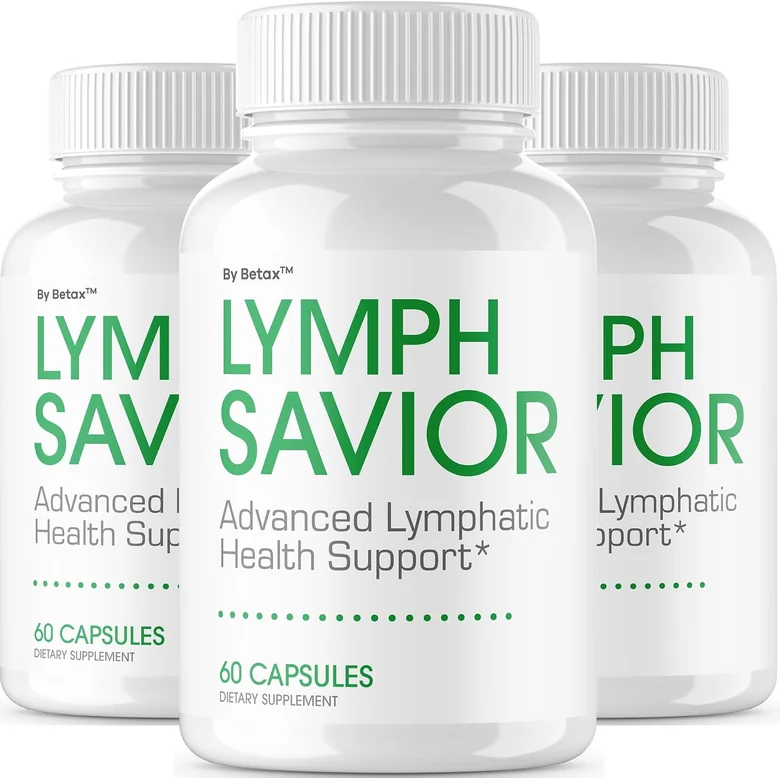
This is the logic behind approaching lymphatic support as a consistent daily routine rather than a reactive purchase made only when discomfort becomes hard to ignore. See the actual botanical mechanism in all 11 ingredients explained.
The honest caveat
Noticing a slow pattern early doesn't replace medical evaluation when something's genuinely wrong. If swelling is sudden, one-sided, painful, hot, red, or comes with chest pain or shortness of breath, that's not a slow-drift situation — it needs medical attention immediately, not a supplement.